Sport & Recreation
England’s Beach Soccer Goalie – Dan Hulme
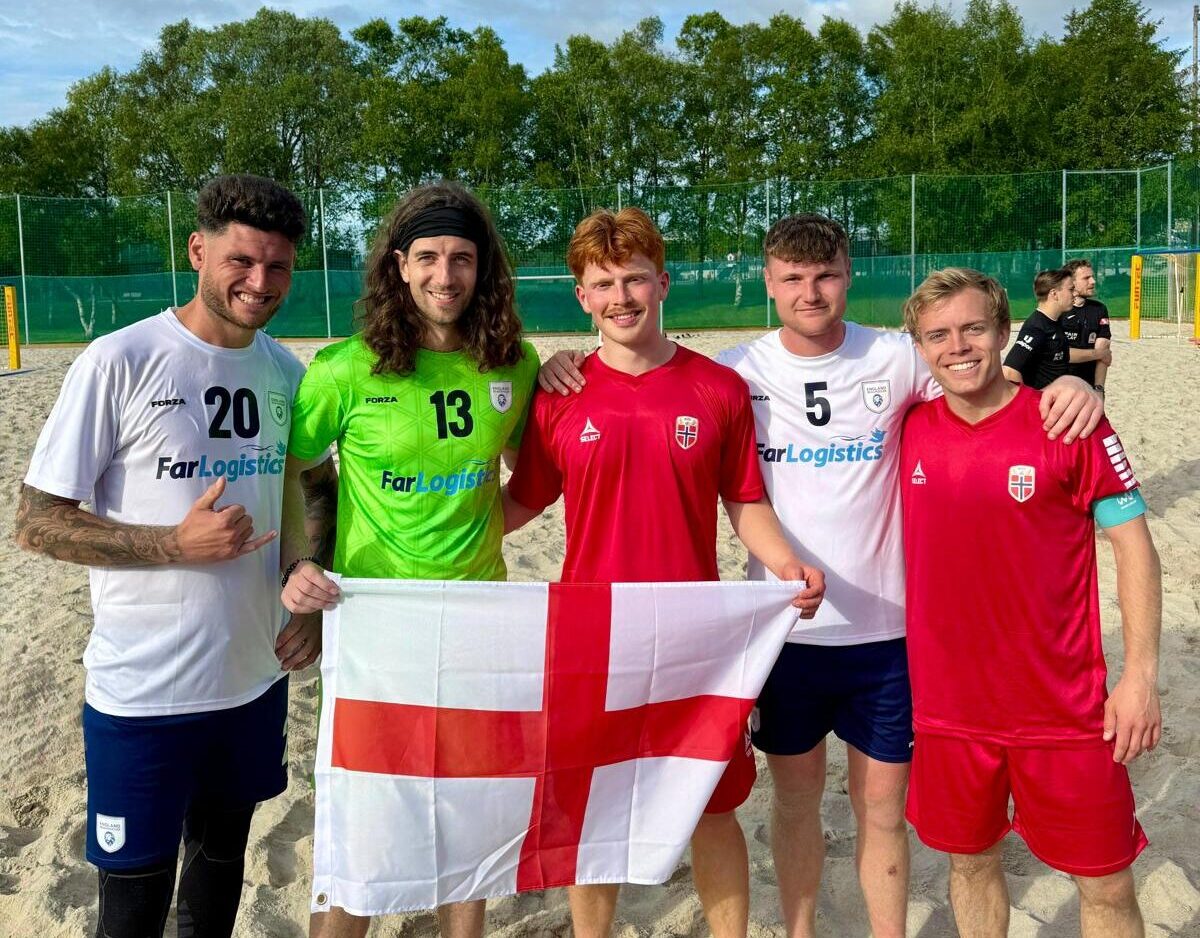
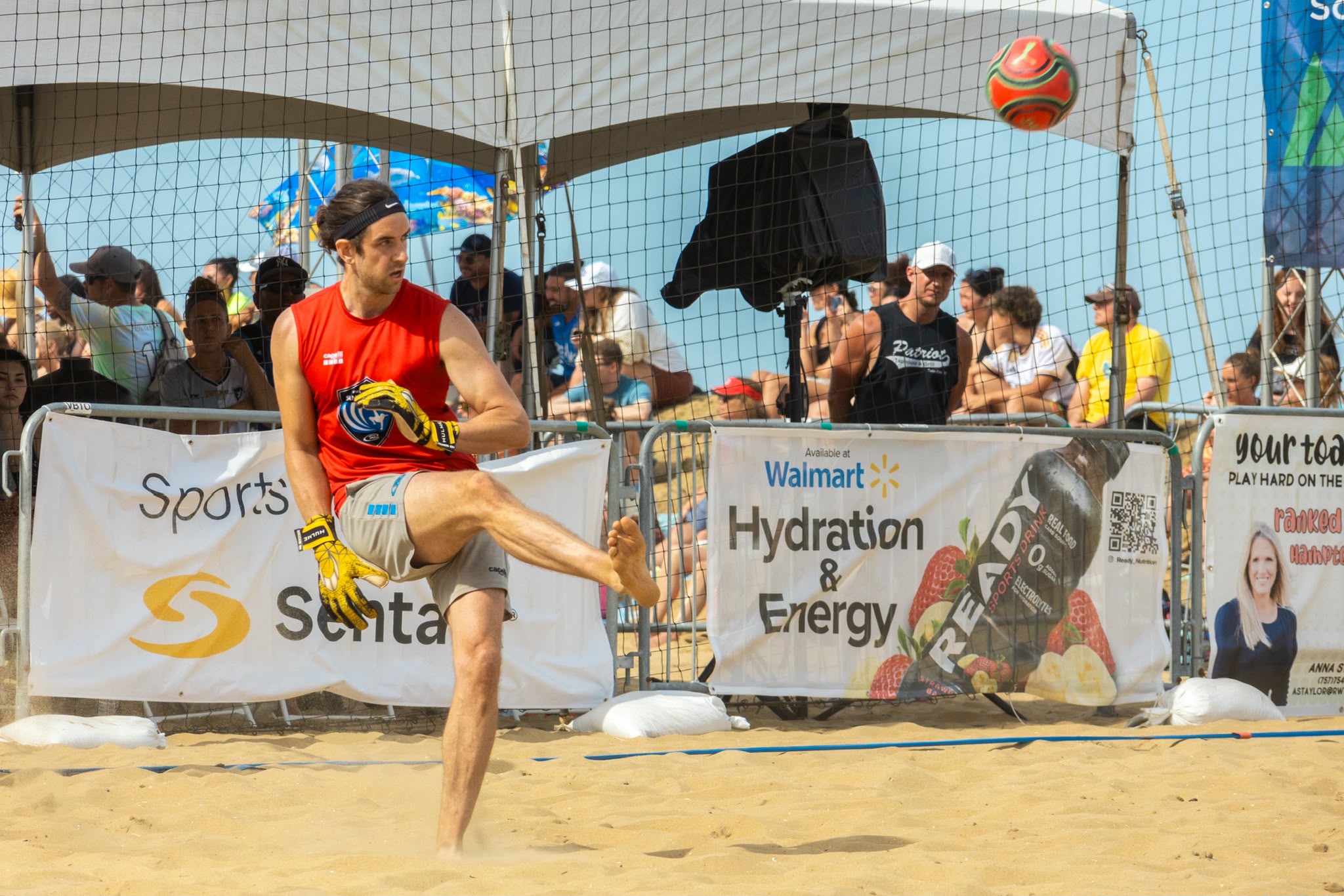
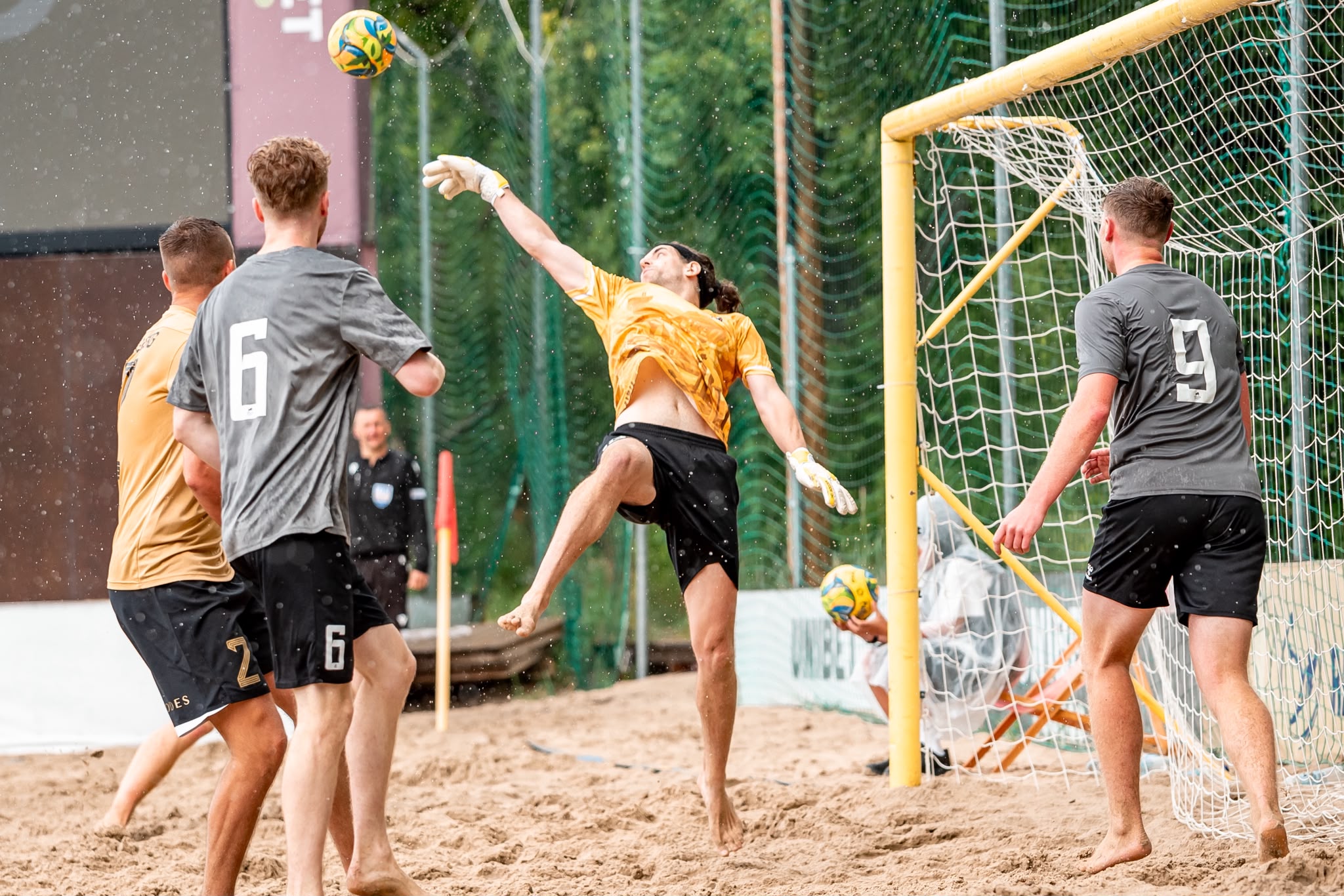
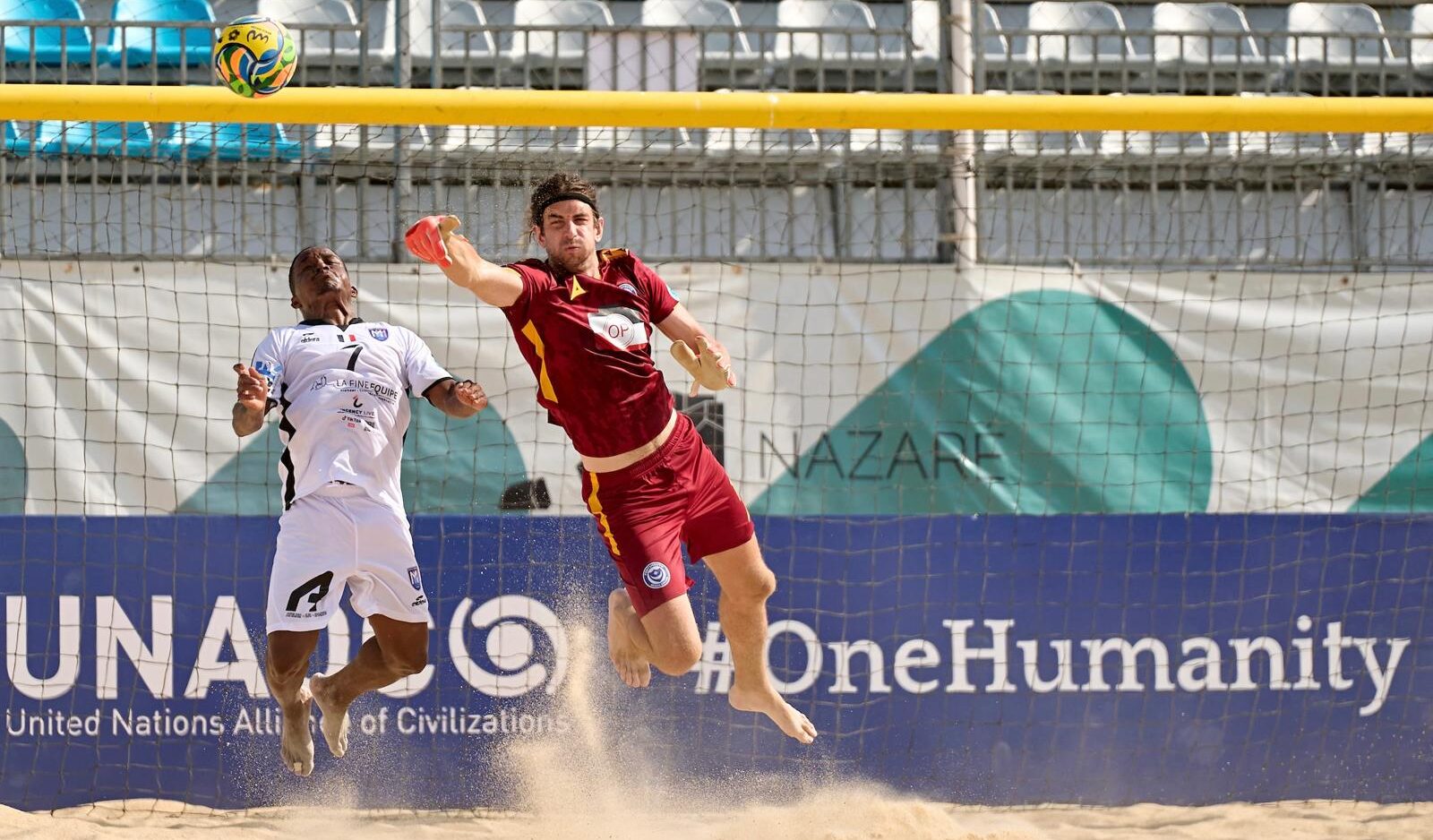
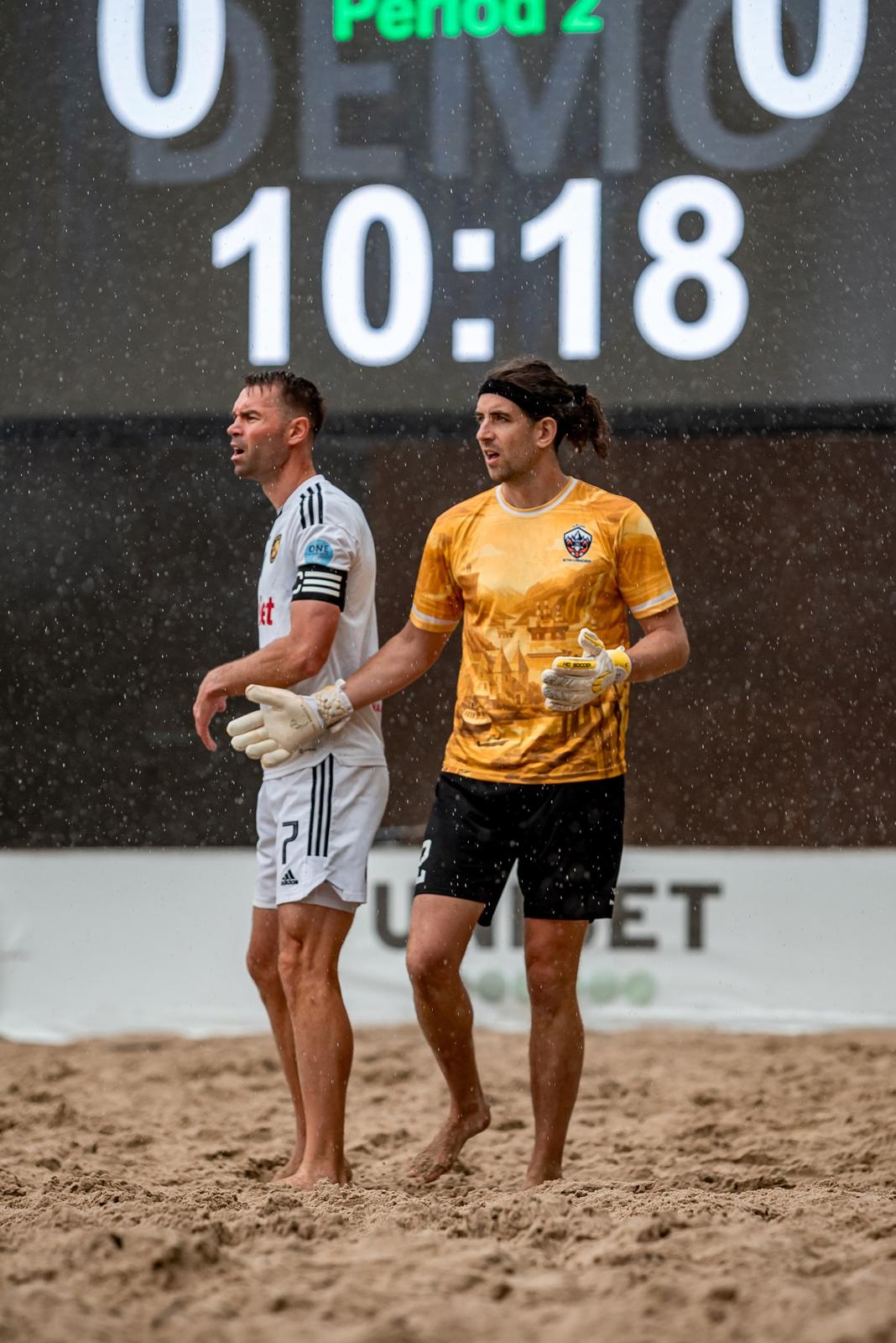
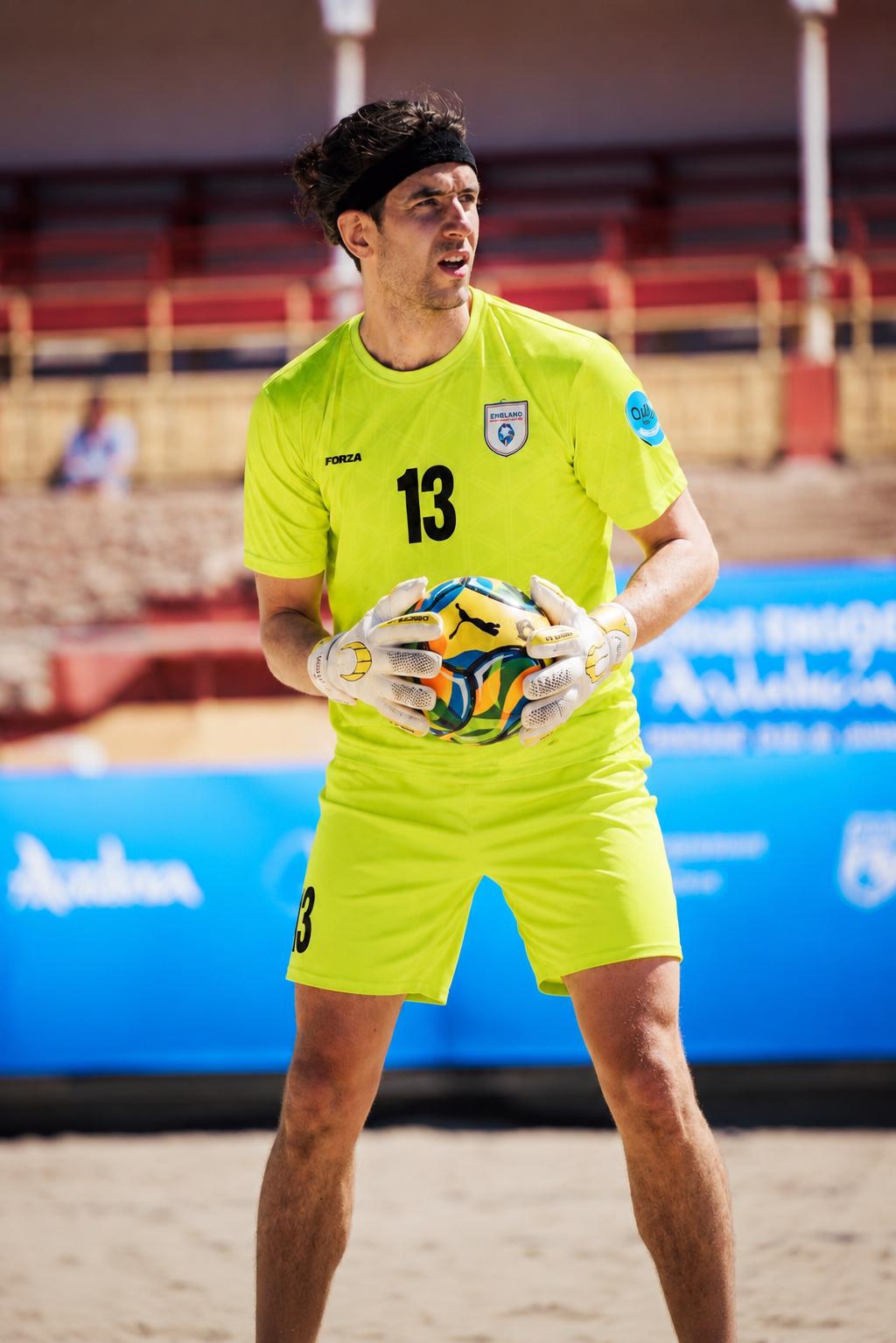
Dan Hulme, CEO of The Sports Trust has a sport he excels in – Beach Soccer. He will tell you himself that he loves football, but wasn’t going to make a career being a professional footballer. That was until he was introduced to Beach Soccer. Now, with fixtures happening at weekends (and sometimes during the week) across the world, he competes with the England team (and a couple of other teams) as their goalie. Folkelife bought him a vegan ice cream to find out more.
“I had made it to reserve level at semi-professional grass football by the time I was at university. So I was ok at football, but wasn’t going to get beyond that level. I then met the England manager of the Beach Soccer team and he invited me down to train with the team. This was so much fun. I trained with them as a goalie and then had a chance at playing a match. So, the first match I played, I did so for the England team.”
the rules
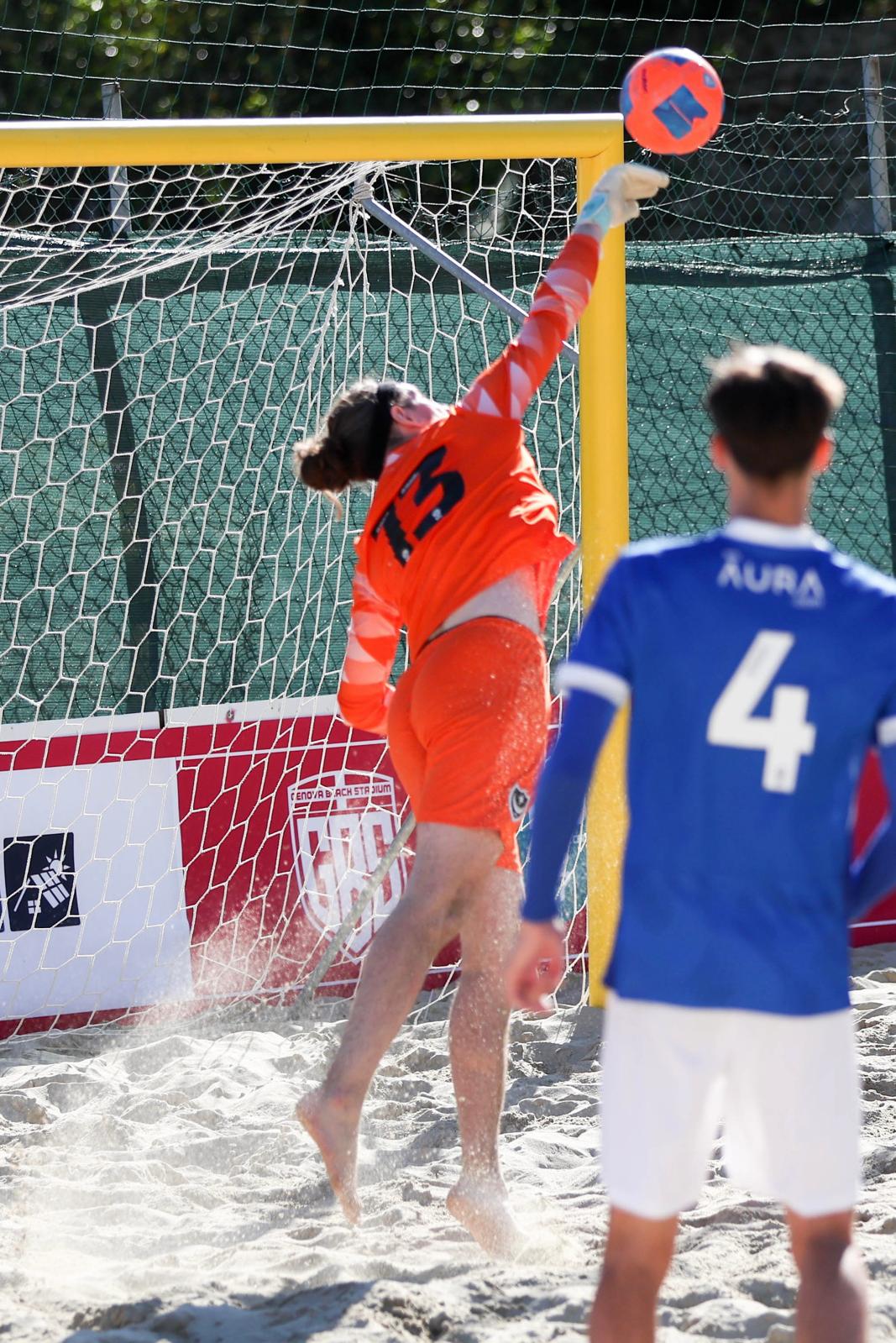
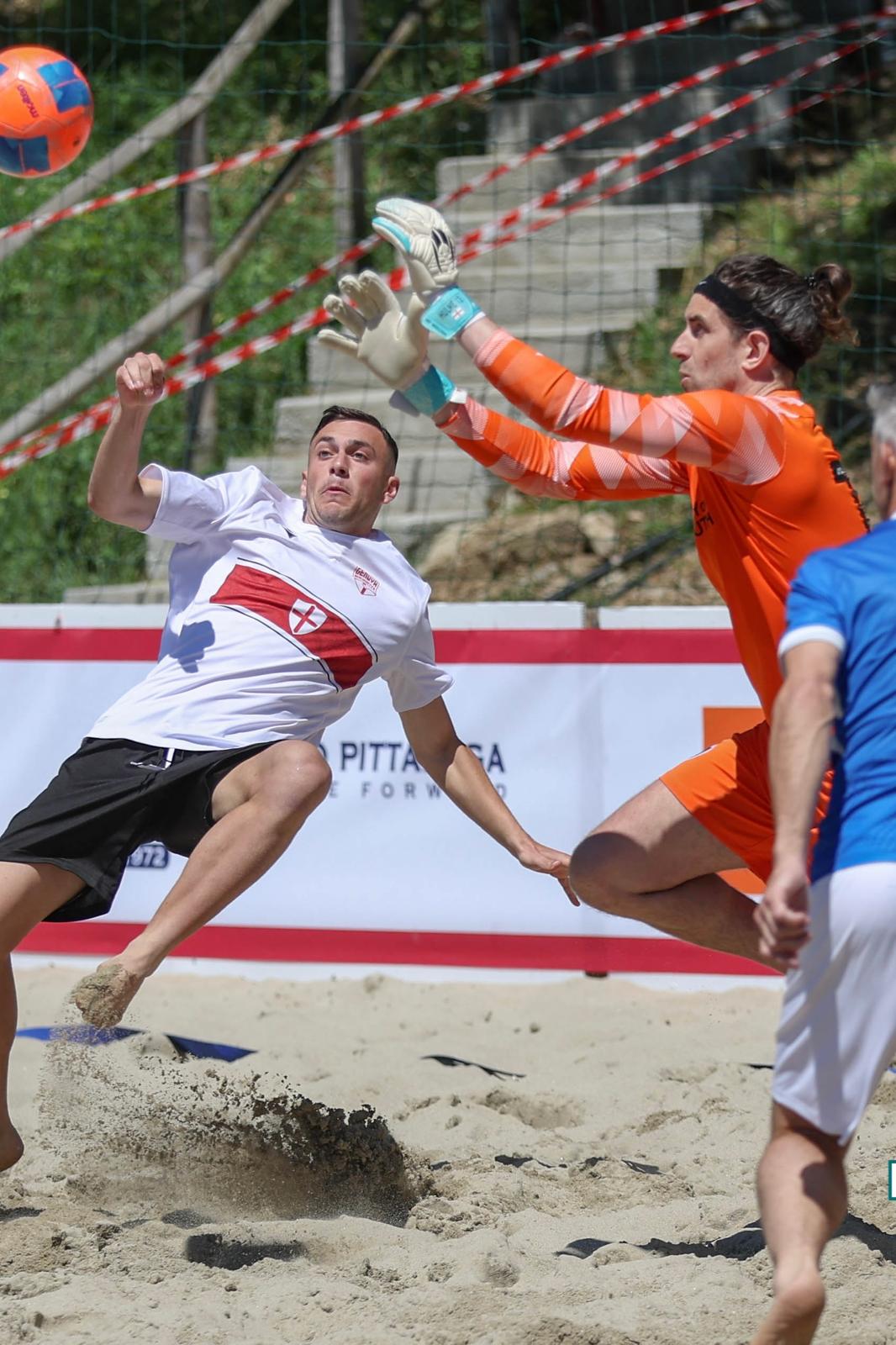
“The concept of both games is the same, in terms of getting the ball into the other team’s goal. However, it is five-a-side, you play in bare feet on sand, and you have rolling subs. You can have as many substitutions as you like coming on and off. Goalkeepers are expected to score too, which I enjoy! There are many other rules, such as when the ball goes out of play, you have 4 seconds to get it back in, and when free kicks happen the clock is stopped. There are many more rules, and it’s best to watch the game as it’s easier to learn the rules then.
“We go around the world to play, and most of the pitches are artificial – in that they are giant sand pits in many different locations. There’s a set international standard size pitch, which is smaller than a grass football pitch, but sometimes the pitch size varies if you’re playing in smaller competitions.”
captian for england
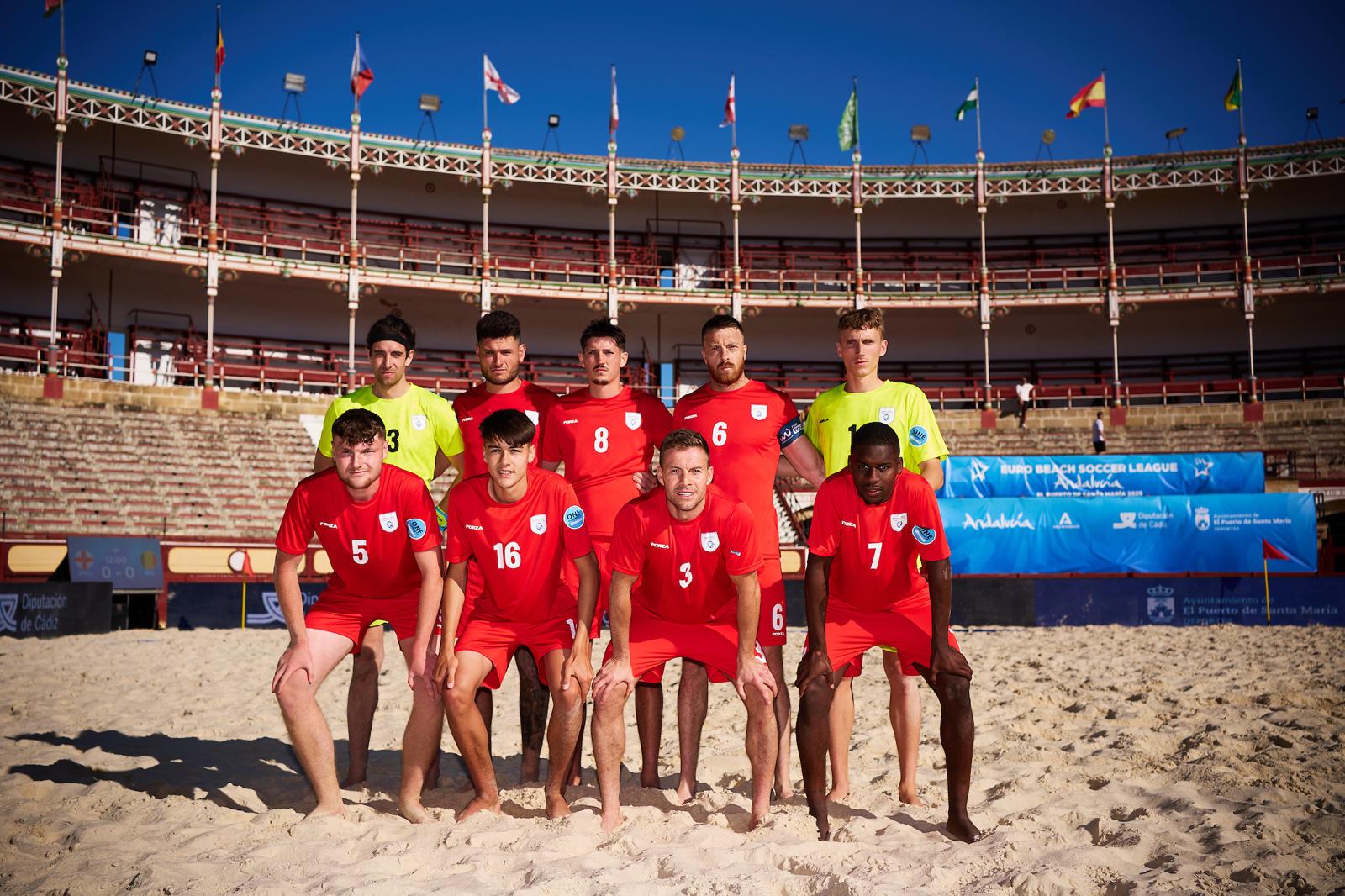
“I never expected to be chosen to Captain England, but it was a very nice thing to have done. Our team was quite a young squad, and I have been playing for longer, but I still wasn’t expecting it. To be able to play for your country, and to train with elite athletes, and win is something I am very aware is an honour.”


a team game
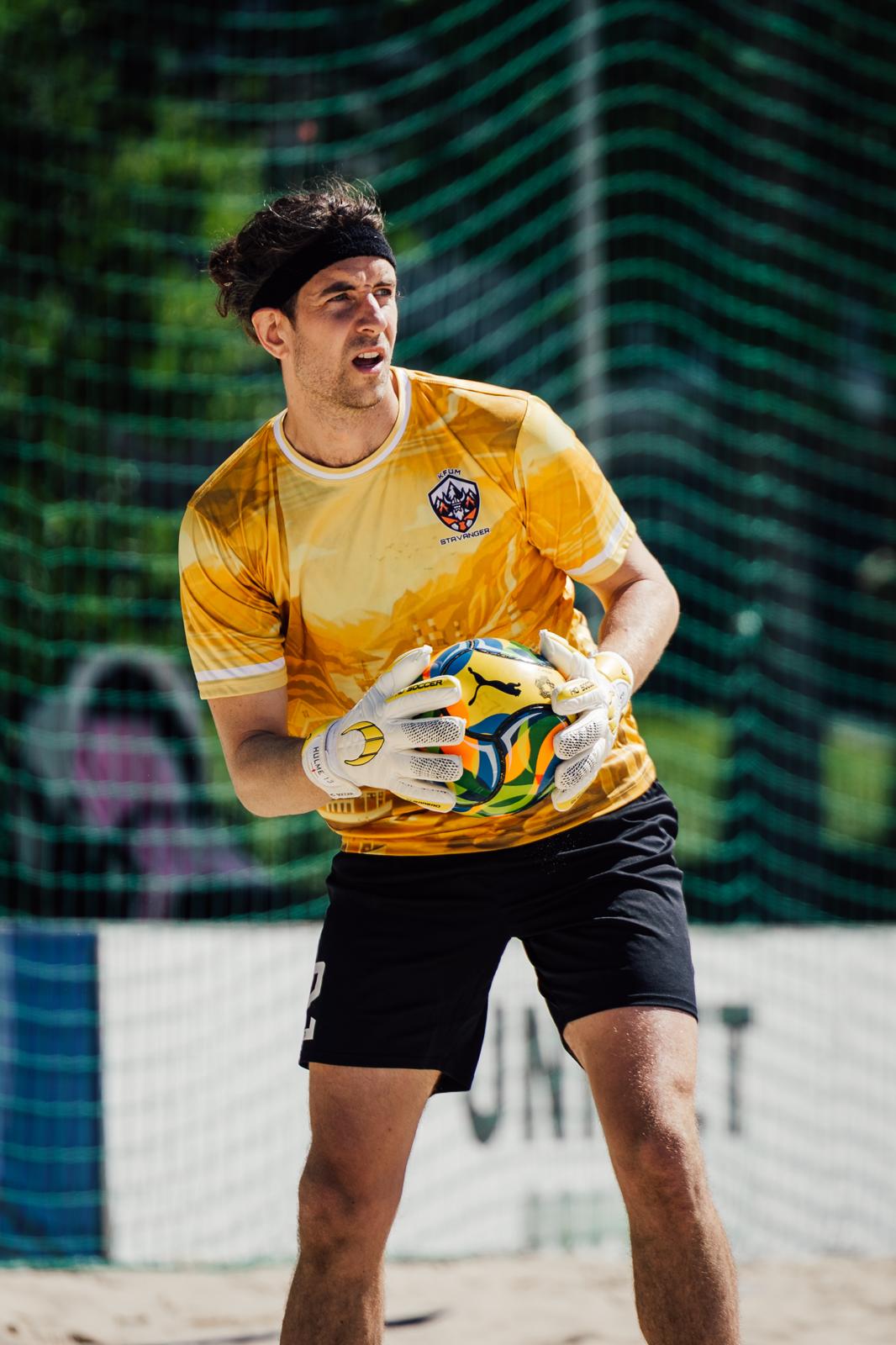
“It’s quite mercenary when it comes to which team you play for. You can jump around, and play for more than one team at a time. Obviously, you do need to choose which one you’re playing for when it comes to competitions, but you can be involved in more competitions when you play for more teams. My home team is Portsmouth, previously I was with Arsenal, and I did play for Corinthians which was a lot of fun. I have a team in Norway called Stavanger, and then the England team.
“You play against a lot of the same people, and sometimes you are not available to play in some competitions, so the teams ask around for players. If they’re playing in a place you haven’t been to yet, it’s nice to check that off the list! It’s a luxury, and a privilege to be a part of something that’s hard work, but a lot of fun.”
playing across the world
“It’s fair to say that the Beach Soccer scene isn’t very big in the UK. Portsmouth is one of the biggest teams, and maybe two others. Yet in Brazil, you can make a professional career of Beach Soccer and travel around the world. The Spanish league lasts about 10 weekends, and we go over and play in Portugal.
“There are fewer injuries in Beach Soccer, and so your career probably lasts longer than it would do on grass. You do need to keep fit, and you will be found out if you can’t run on sand – that’s hard work, and you have to maintain your fitness. But, because it’s a lonely sport in the UK, a lot of that training is me doing it by myself. To fit everything in, I am up very early in the mornings, training down at the beach and making sure I am looking after myself in terms of my nutrition as well.”
playing on sand
“You play in bare feet and on sand, so your muscles get conditioned to playing on such an uneven surface. You are certainly working different muscle groups than playing on grass. It’s good, because when you fall over, the ground is more forgiving that grass, but it’s a totally different feel.
“I can remember playing in China in 40 degree heat and you could feel your blood boil with the sun warming you up, and the sand being so hot. You bury your feet into the sand to get a cooler sensation, and then you play a very different game.”
new players
“As with any game, when it gets a bit of publicity people want to join and have a go. If you live in the Isle of Wight, there are plenty of chances to join in training and have a go. Here, I was going down to the beach by myself and kicking a ball around. Then some of the lads came to join in, and that makes it much more fun.
“Sunny Sands is lovely, but it’s actually not ideal. You don’t want sand that’s going to get wet every 12 hours due to the tide coming in. You want to play on sand that is fluffy and dry. The ball reacts differently on a flat pitch, and Beach Soccer is a lot more acrobatic. The ball is off the ground a lot more, and you get a lot of high kicks.”
England Beach Soccer Association
“The sport is growing, and the Association do run Talent ID days where they go around the country to find new players. There was a competition in Newcastle recently, and another where Nottingham hosted Cornwall. Although it makes sense this is a coastal sport, it doesn’t have to be.
“Our next competitions are for the European Championships in Georgia, and then I have the Baltic League and the English National Championships and the Norwegian National Championships, all of them over weekends. Then there’s the America Winner’s Cup in December in Costa Rica which will also be fun, and a chance to play with my Costa Rica boys, whom I’ve played with before, and love. You spend an intense time with the teams you work with, and become firm friends. I have friends across the world, and sport brings us together, and you make friends for life.”