Arts & Culture


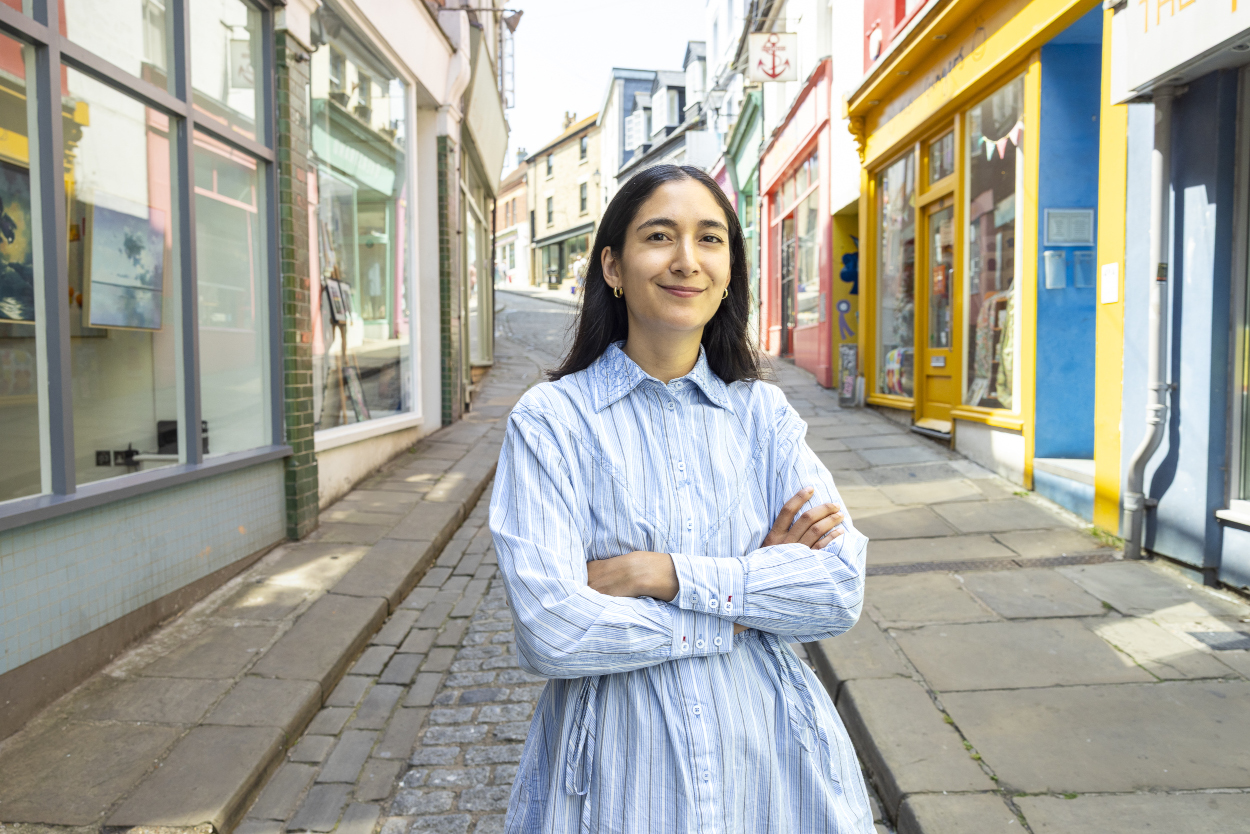
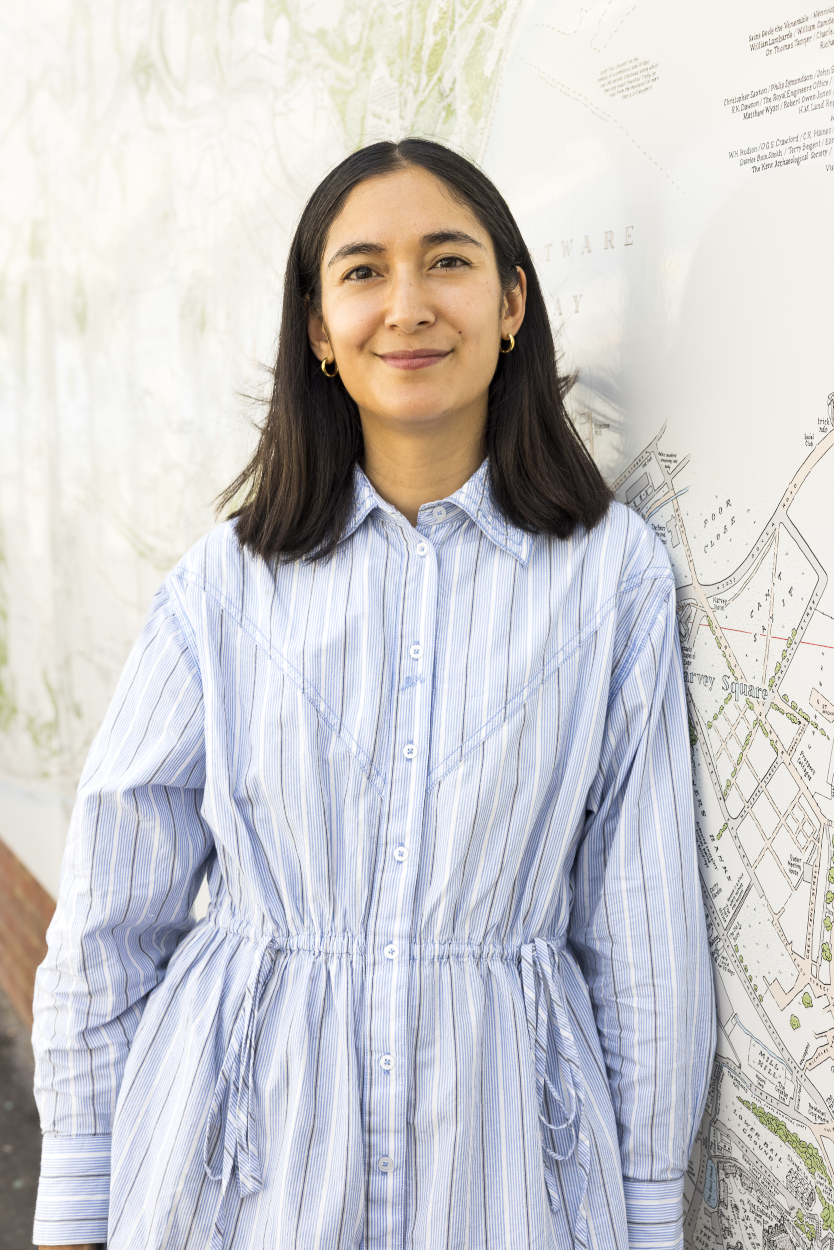
Philippine Nguyen – Creative Folkestone Chief Executive 2026-Present
Philippine Nguyen is the Chief Executive of Creative Folkestone. She took up her post in September 2026 following on from Alastair Upton’s 14 year tenure. Philippine comes from a background of running creative projects in urban areas such as Art Night, an initiative that has been delivered in London from 2015 to 2020 and then in many towns across the country between 2021 to 2023. Cultural programming is key to a happy and healthy life, and her work in Waltham Forest shows the connected, joined up approach with council services needed to provide this for the community. Coming to Folkestone, her work continues, to make art and culture accessible to all, regardless of demographic, background, education and training. Folkelife met with Philippine to find out her goals for Creative Folkestone over the next few years.
“The Creative Folkestone Triennial is on many people’s radar, especially if you work in commissioning public and contemporary arts. I was born in Paris but moved to London in 2014 to start up a charity called Art Night. My friend and I were co-directors, and the idea was to make areas come alive at night with contemporary art. So, in 2017, when the next Triennial was running in Folkestone, I came down to see what was going on. I can remember walking around a lot of the town, and going up to the East Cliff and down to the Harbour. My friends and I saw lots of things that were part of the Triennial, but also part of the Fringe event as well. I came home with some seafood which I very much enjoyed!”
Prospect Cottage
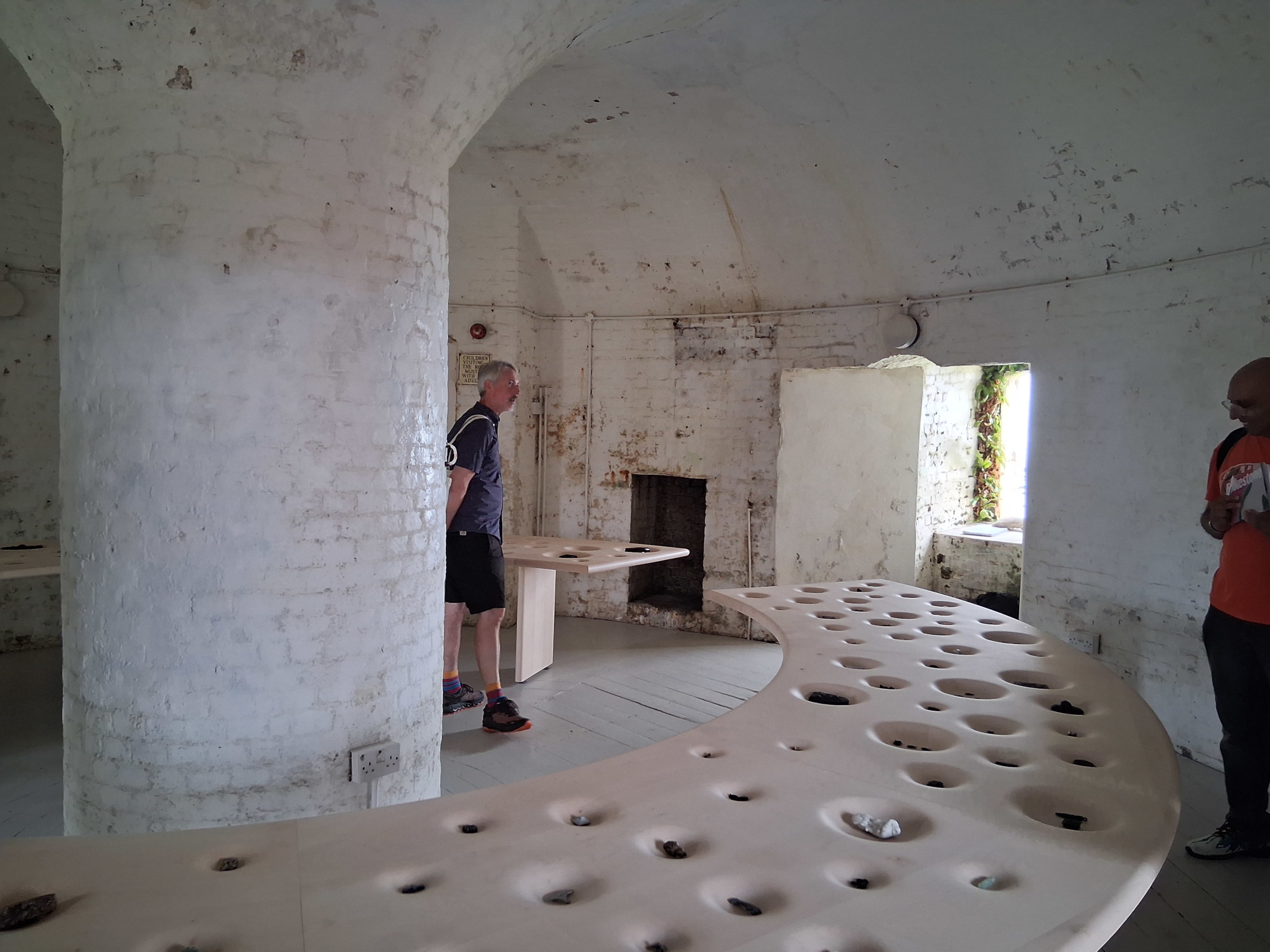
“When we came last summer for the Triennial, before this job was available, we brought our children. I can remember waiting to go into the Martello Tower to see the Katie Patterson piece and saying to my partner ‘This must be a really wonderful place to live!’ And I have come to all of the Triennials since 2017 and learned more and more about how the town works, and where the Creative Quarter fits in to the progress of Folkestone.
“I had also heard about Prospect Cottage and knew of Derek Jarman, and the fundraising campaign to save it back in 2020. That was on my radar, again, from working in the arts world. I always wanted to visit, and now I have my own key! Our wonderful gardener, Johnny Bruce was there at the cottage with a group of horticulture students. This was in my second week of working here. I took the opportunity to visit and meet everyone. It really is a magical place to be.”




family life in folkestone
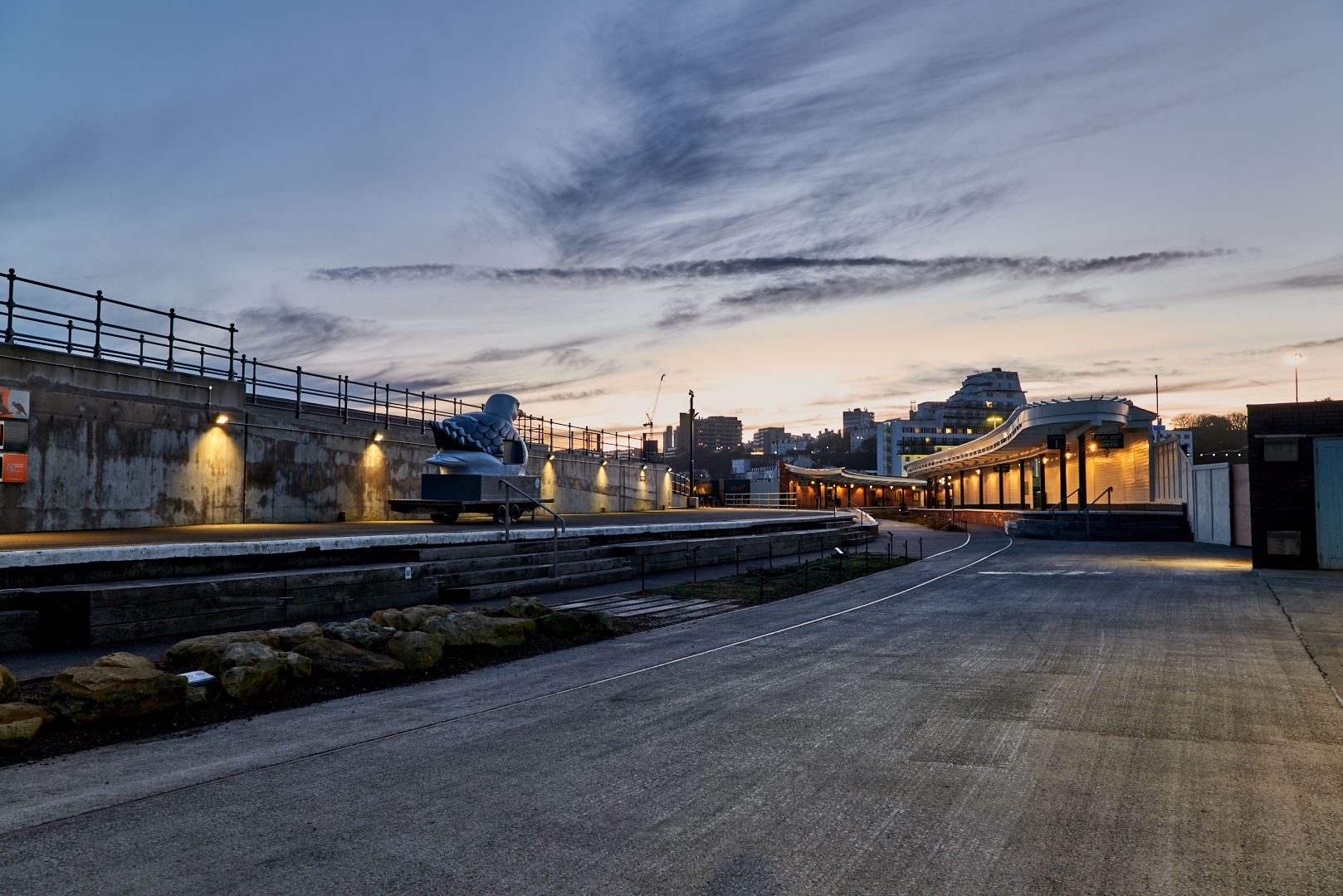
“I have a young family and it has been a good decision to bring our children up here in Folkestone instead of London. We have access to good schools and in walking distance from our home and work. Where my commute in London was a 20 minute bike ride, I am now in work in 5 minutes, but can detour via the sea, which is a luxury. I have to say, the more I was going through the recruitment process for this job, the more and more I wanted it.
“My experience of commissioning public art, and the areas I have worked across central and outer London, have a lot of deprivation and inequalities. Art Night became a national project and we worked in lots of different places including rural and coastal areas. The last place I oversaw the project was in Dundee where there is an incredible arts and culture scene. However, there are also lots of issues around accessible town centres and inequalities through the community.”
applying experience to folkestone
“This experience is all helpful in applying to the situations we have here in Folkestone. Also, in 2019 I was approached to do some consultancy for Haringey Council to deliver their creative enterprise programme in Tottenham. The Creative Enterprise Programme is a Mayor of London flagship programme. This is to support creative workspaces and art studios to remain within places undergoing change, and to ensure that we continue to have artists working in our communities.
“We were looking at planning, regeneration, working with property owners and making sure that there were no net loss of creative workspaces within the area. There was actually an increase in spaces that could be used for culture. It’s also about the right networking events happening, and that there is business support to help people make a living out of being within this community. We created a business directory where everyone could register their profile and know what others were doing. There were a few examples of people travelling to another part of London to use a service, such as a picture framer, when there was someone doing that job just down the road”
cultural placemaking
“I used to teach at a university in Paris, and the course was called Culture and Global Cities. It looked at cultural placemaking and the power of culture to generate positive social and economic change and impact. This was at the scale of big cities, and from an international perspective, but you can apply a lot to any space. I have also been a trustee on the board of the Bernie Grant Arts Centre in Tottenham, which is a community space built around the same time as Quarterhouse. It has the same number of seats and similar operational challenges. It’s been useful to be at the governance level of such a community space.”
Cultural Strategy
“The most fascinating thing was to find culture having a seat at the table at local government level in London. That needs to happen here. Culture is not statutory. If you want to keep money coming into cultural events they need to work with all the other elements that councils have to fund. How does culture interact with public health and social care, with housing, and with all the other elements local council control? Waltham Forest was one of the first London boroughs to have a cultural strategy. It needed updating after the Olympics, and that was a fun process to be a part of.
“Building up a cultural strategy means engaging the community as well as the creative sector. You need to work at industry level with politicians and different internal council teams. We know from Kent that KKC has closed Grace Hill which was the Library. The partnership now in charge of Grace Hill needs to address how we build the cultural aspects of everything a library brings to a community into what we are offering here? The local area is stronger for a cultural strategy; creativity continues to be embedded across everything we do.”
first steps
“I’ve been here less that two months and can already see the strength of the creative and cultural community here. People are welcoming and open-minded. It’s a very collaborative town. One thing I am really passionate about is how we support the next generation of creatives in this town. There’s a lot we do in schools already, but how can we support particularly the 16 to 29 year old age group? We have 30% of our young people living in low-income households in this area of Folkestone. 28% of young adults don’t have qualifications and employment rates are the lowest in Kent. What can we do about this? How can we change those statistics? What support can we put in place to work with these young people so they see they have a future? I am looking forward to the challenge!”